Pediatric Occupational Therapy in Cornelius, NC
Occupational Therapy That Integrates Primitive Reflexes and Builds Lifelong Independence
Our North Carolina therapists use play-based reflex integration to improve focus and coordination and help your child gain independence in daily life.
“They gave my child confidence to do things on their own.”— Parent review
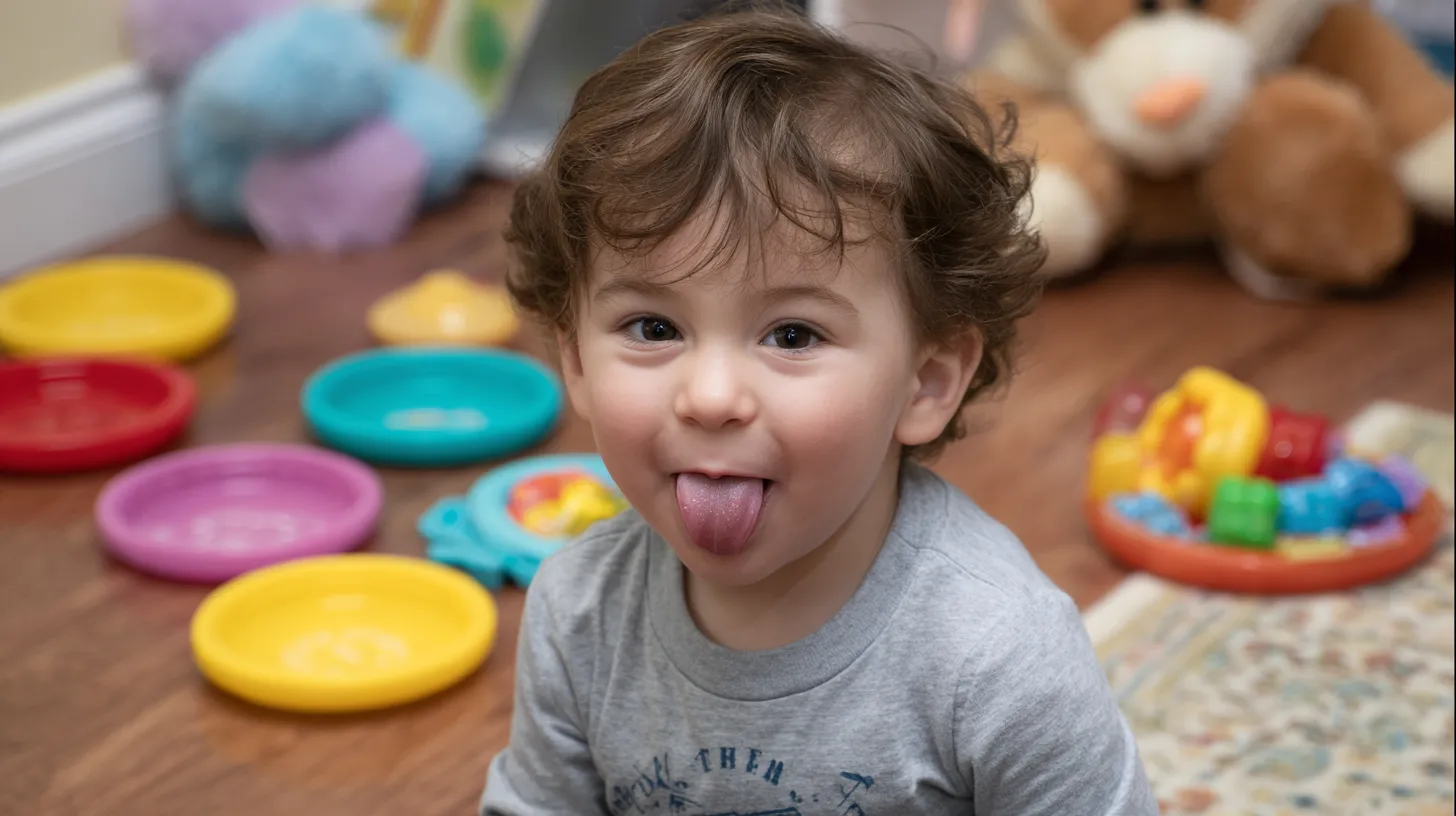
When Everyday Tasks Become a Struggle
Daily routines shouldn't feel like a battle for your child — or for you.
Daily Living Challenges
Dressing, feeding, or brushing teeth becomes overwhelming without the right support.
Sensory Processing Issues
Over- or under-responsiveness to sound, touch, or movement makes school and home life harder.
Fine Motor Delays
Difficulties with writing, cutting, or grasping impact learning, play, and confidence.
Compassionate Support From Expert Therapists
At Integrative Wellness and Therapeutics, we specialize in helping children overcome daily living, motor, and sensory challenges. Our therapists use play-based, child-centered strategies that keep kids engaged while building essential skills.
Trusted by pediatricians, dentists, and schools, we bring both clinical expertise and compassion to every session.


- “I felt supported and guided every step of the way.”
- “They helped my child build confidence in feeding and handwriting.”
- “The progress at home and school has been incredible.”
Trusted by dentists, orthodontists, pediatricians, and lactation consultants across the Carolinas.
A Clear Path Toward Independence
-
01
Step 1: Schedule an Evaluation
A thorough assessment of fine motor, sensory, reflex, and self-care skills.
-
02
Step 2: Customized Therapy Plan
Personalized, play-based strategies tailored to your child's needs.
-
03
Step 3: See Steady Progress
Regular therapy sessions with at-home guidance to ensure lasting success.
What Occupational Therapy Focuses On
Occupational therapy helps children gain the skills they need for independence in daily life. Therapy addresses fine motor control, self-care, sensory processing, reflex integration, picky eating, and visual and ocular motor skills, so children participate fully at home, in school, and in play.
It is also called OT, pediatric OT, functional therapy, developmental therapy, or daily living skills training. Each term reflects the same aim: supporting children's growth in functional, meaningful activities.
Therapy builds fine motor skills such as handwriting, grasping, buttoning, and tool use. Sensory integration helps children regulate responses to touch, sound, and movement. Reflex integration reduces retained reflexes that interfere with focus and coordination, and visual and ocular motor work supports reading, tracking, and writing.
Occupational therapy is play-based, engaging, and child-centered. Families reinforce strategies at home, and therapists coordinate with teachers and other providers for consistent support.
What Our Occupational Therapy Focuses On
OT addresses movement patterns, sensory processing, feeding, and primitive reflexes. Reflex integration helps children sit still, focus, and coordinate their bodies more effectively.
- Fine Motor Skills — handwriting, grasping, buttoning, and tool use
- Sensory Integration — regulating responses to touch, sound, and movement
- Reflex Integration — moving beyond retained primitive reflexes for better focus, balance, and coordination
- Self-Care Skills — dressing, feeding, toileting, and hygiene routines
- Picky Eating Support — safe exploration of new foods and less mealtime stress
- Visual & Ocular Motor Skills — eye movements, tracking, and coordination for reading and attention
- School Readiness — attention, visual-motor integration, and organization
- Play & Social Skills — interaction, problem-solving, and creativity
Our approach is always fun, engaging, and functional, so children feel empowered while learning.
What's at Stake: Your Child's Future Independence
Parents remind us, “This was the best investment in our child's future.”
If You Act Now
- Your child gains the skills to care for themselves.
- Confidence grows as milestones are achieved.
- Family stress decreases as daily routines improve.
If You Wait
- Struggles with daily tasks worsen.
- School performance and social confidence suffer.
- Missed early skill-building delays independence.
Your child's progress starts with the first step.
Request an AppointmentLife-Changing Results for Children and Families
“My child can now dress themselves and loves showing us their progress.”
“Feeding and handwriting struggles are no longer stressful — OT made a huge difference.”
“They treated us with kindness, and my child is thriving at home and school.”
Occupational Therapy FAQ
What Are Primitive Reflexes?
Primitive reflexes are automatic movements babies are born with, such as the Moro (startle) reflex. Most fade as the brain matures. When they remain active past infancy, they affect posture, coordination, attention, and learning. Occupational therapy uses gentle movement and play to help integrate them.
How Much Does Occupational Therapy Cost?
Costs vary by session length and insurance coverage. Early intervention often reduces long-term therapy needs.
What Problems Does Occupational Therapy Help With?
Feeding, handwriting, dressing, sensory regulation, coordination, and independence in daily tasks.
How Does Occupational Therapy Compare to Physical Therapy?
Physical therapy focuses on movement and strength, while OT builds functional skills for everyday life.
Why Does Early Intervention Matter?
Without support, motor and sensory issues affect confidence, academics, and relationships. Early OT helps children catch up, thrive in school, and feel proud of their abilities.
Why Choose Integrative Wellness for OT?
Our therapists use play-based, child-centered methods and collaborate with parents, teachers, and providers. We take a whole-person approach, assessing all areas of development to address root causes — not just temporary fixes.
Misconception: OT Is Only for Adults
Pediatric OT helps infants, children, and teens develop vital skills.
Misconception: OT and PT Are the Same
PT focuses on gross motor and mobility; OT targets functional daily living and fine motor skills.
Misconception: OT Is Just Playtime
Play is purposeful — every activity builds motor, sensory, and cognitive skills.
Misconception: Children Outgrow OT Needs
Without support, challenges often persist into adolescence and adulthood.
Misconception: OT Only Helps With Handwriting
Handwriting is one part — OT also addresses feeding, sensory, social, and self-care skills.
For CliniciansOTs already work with feeding, posture, and sensory-motor development. Add orofacial function with our myofunctional therapy certification for occupational therapists — a 28-hour, AOTA- and ASHA-accredited live course.
See Course DatesOccupational Therapy — North Carolina Cities We Serve



More Ways We Help Your Family
We serve families across North Carolina, in our Cornelius clinic or through teletherapy.
Myofunctional Therapy
Exercise-based treatment that improves tongue posture, swallowing, breathing, and speech by retraining oral and facial muscles.
Explore Myofunctional Therapy →Teletherapy & Virtual Therapy
Live virtual therapy sessions that bring expert myofunctional therapy, speech therapy, and parent coaching to families across North Carolina.
Explore Teletherapy & Virtual Therapy →Pediatric Feeding Therapy
Specialized therapy that helps children overcome feeding difficulties, picky eating, and oral motor challenges for safe, confident eating.
Explore Pediatric Feeding Therapy →Infant Therapy
Gentle early intervention that supports feeding, development, and bonding in babies with oral or motor challenges.
Explore Infant Therapy →Speech Therapy
Individualized support to improve articulation, language, and communication skills — delivered by SLPs who are also trained myofunctional therapists.
Explore Speech Therapy →Physical Therapy
Movement-based care that strengthens coordination, mobility, and motor development for growing children.
Explore Physical Therapy →Pediatric Intensive Therapy Program
High-frequency OT, PT, and speech therapy with photobiomodulation as an adjunct — a concentrated intensive that accelerates neurodevelopmental progress.
Explore Pediatric Intensive Therapy Program →Bloom Society Groups
An 8-week Mommy & Me program supporting mothers through the emotional, physical, and identity transitions of early motherhood.
Explore Bloom Society →Developmental Wellness Exams
Whole-child wellness assessments that track milestones and catch concerns early to guide effective therapy planning.
Explore Wellness Exams →